
News
Keep up to date with the latest news at Senior Car & Van Hire
How to Choose the Best Vehicle for Your Business Needs
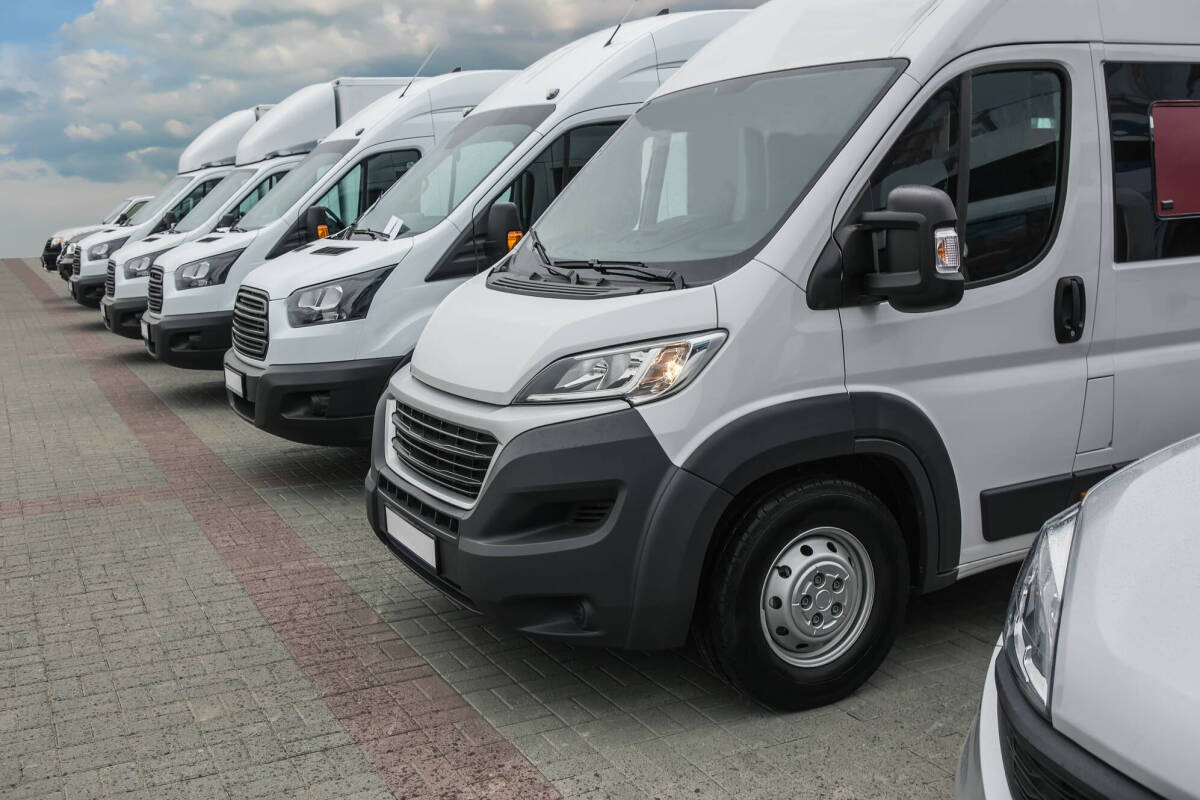
Selecting the right vehicle for your business is a critical decision that directly impacts efficiency, operational costs, and even your company’s image. The ideal vehicle is more than just a mode of transport; it is a vital tool that helps you deliver your products or services effectively. With a wide array of options available, from versatile panel vans to spacious minibuses and highly specialised trucks, making the correct choice requires careful consideration.
Choosing the wrong vehicle can lead to unnecessary expenses, logistical headaches, and missed opportunities. A van that is too small may require multiple trips, wasting time and fuel, while a vehicle that is too large can be difficult to manoeuvre and costly to run. This guide is designed to help you navigate the selection process. We will explore the key factors to consider when choosing a vehicle for your business needs, ensuring you invest in a solution that enhances productivity and supports your growth.
Analyse Your Core Business Activities
The first step in choosing the right vehicle is to conduct a thorough analysis of what you will be using it for. The function of the vehicle should be the primary driver of your decision. Ask yourself a series of practical questions about your daily operations.
What will you be transporting? If your business involves delivering small parcels or tools, a compact or medium panel van might be perfect. For those in construction or landscaping, who need to move heavy materials like sand or soil, a tipper truck is essential. A catering company transporting food for events might require a refrigerated van to maintain freshness and comply with food safety standards.
How far will you be travelling? Consider your typical mileage. If your work is confined to a local area like Leicester or Market Harborough, fuel efficiency might be a priority, but long-distance travel is less of a concern. However, if your business operates nationwide, you will need a vehicle that is comfortable for long journeys and has a durable engine built for high mileage.
Evaluate Load Capacity and Size
Once you understand your core activities, the next step is to determine the right size and load capacity. This is a balancing act. A vehicle that is too small will be inefficient, but one that is too large will incur higher running costs.
Payload
Payload refers to the maximum weight a vehicle can safely carry, including passengers. This is a crucial metric. Overloading a van is not only illegal and dangerous but also puts immense strain on the vehicle’s engine, brakes, and suspension, leading to premature wear and tear. Calculate the average weight of your typical load to ensure the vehicle’s payload capacity is sufficient for your needs.
Load Space
Consider the physical dimensions of the items you carry. Do you need to transport long pipes, wide sheets of plasterboard, or tall pieces of furniture? Measure your largest items and compare these dimensions to the vehicle's load length, width, and height. A long-wheelbase van offers extra length for items like carpets or timber, while a high-roof model provides the vertical space needed for taller objects. For the ultimate combination of space and accessibility, a Luton van with its large, boxy rear compartment is often the best solution for house removals or transporting bulky goods.
Consider Specialised Vehicle Features
Standard vans are incredibly versatile, but sometimes a business has requirements that call for specialised features. Modern commercial vehicles can be equipped with a wide range of options designed to make specific jobs easier, safer, and more efficient.
A tail lift is a non-negotiable feature for any business that involves lifting heavy items. It is a hydraulic platform at the rear of the vehicle that can be raised and lowered, making it effortless to load and unload goods like washing machines, heavy equipment, or pallets. This not only saves time but also significantly reduces the risk of injury to your staff.
Other specialised vehicles to consider include:
- Refrigerated Vans: Essential for transporting perishable goods, from food and flowers to pharmaceuticals.
- Tipper or Dropside Trucks: Ideal for the construction and landscaping industries, allowing for easy unloading of loose materials.
- Minibuses: The perfect solution for businesses involved in transporting people, such as airport transfer services, tour operators, or companies providing employee shuttles.
Choosing a vehicle with the right features can dramatically improve your operational workflow.
Factor in Running Costs and Total Cost of Ownership
The initial purchase price or monthly hire fee is just one part of the total cost of ownership. To make a financially sound decision, you need to consider all the ongoing expenses associated with running the vehicle.
Fuel Efficiency
Fuel is one of the biggest and most variable costs. Look at the vehicle’s fuel consumption figures (miles per gallon) and choose a model that is economical for your usage patterns. Diesel engines are traditionally favoured for high-mileage commercial use, but modern petrol and electric options are becoming increasingly viable, especially for urban operations.
Insurance and Tax
Insurance groups for commercial vehicles vary widely. A more powerful or larger van will typically cost more to insure. Similarly, road tax (Vehicle Excise Duty) is often linked to the vehicle's emissions. Research these costs beforehand to get a complete picture of the financial commitment.
Maintenance and Reliability
A vehicle that is frequently off the road for repairs is a liability. Choose a model and manufacturer known for reliability. When considering business vehicle hire, this concern is often removed. A reputable hire company like Senior Car and Van Hire includes all servicing and maintenance in the agreement, ensuring your vehicle remains in excellent working order without any unexpected repair bills.
The Benefits of Long-Term Vehicle Hire
For many businesses, long-term vehicle hire offers a flexible and financially astute alternative to outright purchase. It allows you to access the perfect vehicle for your needs without the large capital outlay and risks of ownership, such as depreciation. You can choose the exact van, minibus, or specialist vehicle you need for a fixed monthly cost, which often includes maintenance, road tax, and breakdown cover. This provides budget predictability and allows you to scale your fleet up or down as your business needs change.
Making the Right Choice for Your Business
Choosing the best vehicle for your business is a strategic decision that warrants careful thought. By analysing your activities, assessing your load requirements, considering specialised features, and evaluating the total cost of ownership, you can select a vehicle that serves as a valuable asset rather than a financial drain.
Whether you need a reliable panel van for local deliveries, a spacious Luton van for removals, or a minibus for transporting clients, making an informed choice will set your business up for success.
At Senior Car and Van Hire, we specialise in helping businesses find the perfect vehicle solution. Our extensive fleet and expert team are on hand to provide advice and flexible hire options tailored to your unique requirements. Contact us today to discuss how we can help you find the right vehicle to drive your business forward.
